In Morocco, where mental health care remains underfunded, stigmatised and largely inaccessible, Saad and Nadia are pioneering a new approach. Terraspace blends therapy with outdoor activities like biking, yoga and hiking. By moving therapy sessions beyond the walls of the clinic and into nature, they aim to challenge cultural taboos, make psychological support more accessible and demonstrate that healing can take alternative forms. We spoke to Saad and Nadia about Terraspace, the importance of mental healthcare and the challenges of offering alternative therapies in the Moroccan context.
Hi Saad and Nadia! Could you introduce yourselves and Terraspace?
Nadia: With Terraspace, Saad and I offer therapy in nature coupled with outdoor activities like biking and yoga. I’m a clinical psychologist and art therapist by training and before Terraspace I worked with a clinical psychiatrist in Casablanca.
Saad: I’m originally a media specialist, but I have a passion for outdoor sports. I was a supervisor for the French Alpine club for years, for example. Neither of us has an entrepreneurial background, but what we did have were a lot of ideas about how to combine psychology and outdoor sports to create outdoor sports psychotherapy. Sports Orange Corners helped us transform these ideas into a real business.
Depression is a serious matter, that won’t be solved with a five minute bike tour!
What motivated you to start Terraspace?
Saad: We saw so many people suffer around us. In Morocco, there’s a huge difference between therapy needs and the psychological care available. Close to half of the Moroccans deal with psychological and psychiatric issues, but the care available is quite limited – both quantitatively and qualitatively. It’s expensive and mostly centred in the main cities. There’s maybe one psychiatrist for every 100,000 citizens, and less than 2% of the health budget is spent on psychiatry. There’s a cultural aspect to that: mental healthcare is still stigmatised in Morocco. People are programmed to believe cure always comes in the form of a pill, a drink or surgery. If you’re going to a psychiatrist, people think you’re crazy. They’d rather visit a religious shrine than a doctor! Shame is a big thing. There’s a lot of things you’re not supposed to speak about. Until very recently, people who were psychologically or psychiatrically affected were considered possessed and put in chains.
Nadia: That shame culture is still very much present. There’s still families that won’t admit a family member suffers from mental illness.
Saad: Alternative therapies such as ours are very new in Morocco. Many psychiatrists and psychologists prefer conventional methods, others see us as competitors. We prefer to see it as complementing their own offer though. Clients also have a hard time grasping our concept. They wonder whether we’re personal trainers or development specialists, whether we own a bike tour company, a yoga school or a kayaking business. It doesn’t help that there’s also other people out there who advertise their services in a similar way, without having the theoretical and practical background to do so. You can’t say “if you suffer from depression, just come do a bike tour with us and you’ll get better!” Depression is a serious matter, that won’t be solved with a five minute bike tour. We fight a war on many fronts: the cultural front, the business front, the healthcare front.
Coming back to Terraspace, what exactly do you do?
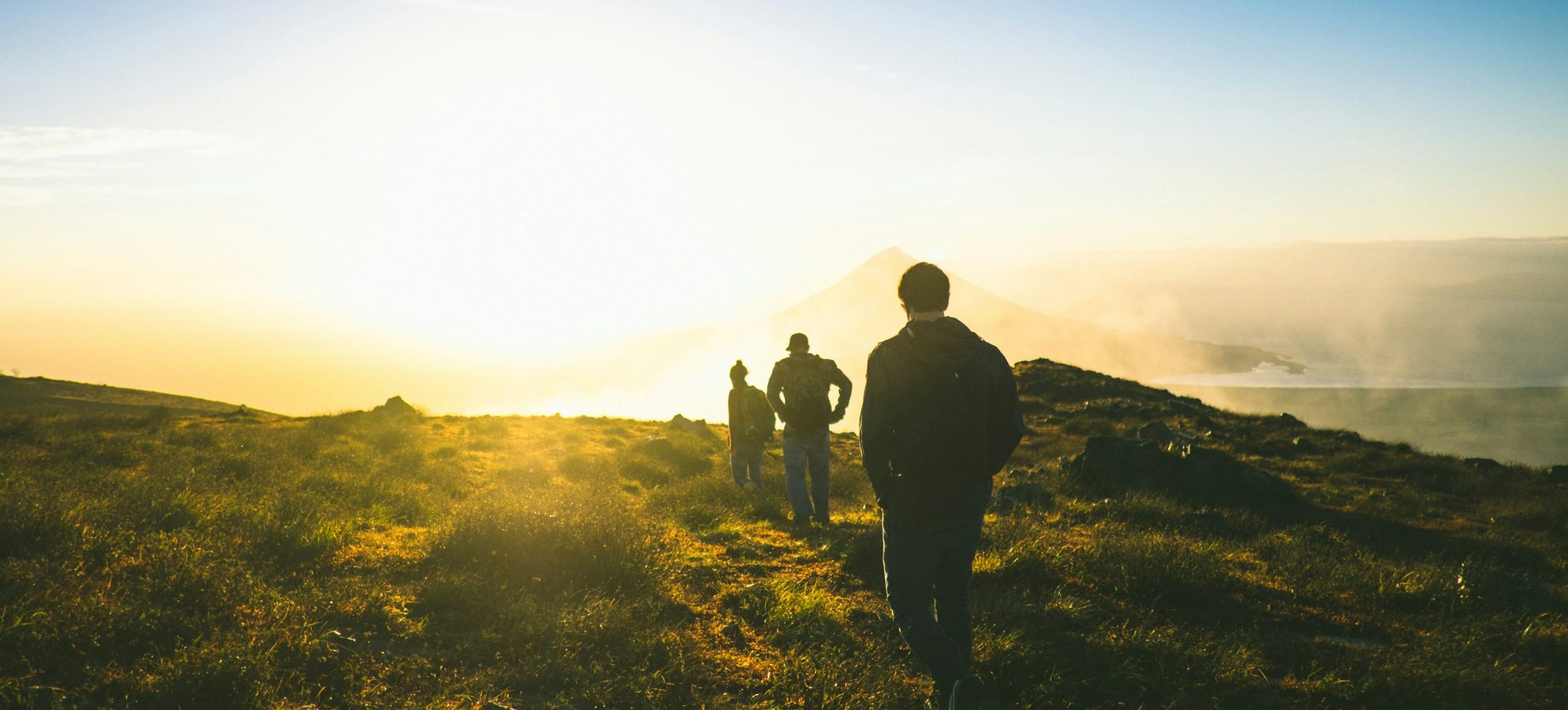
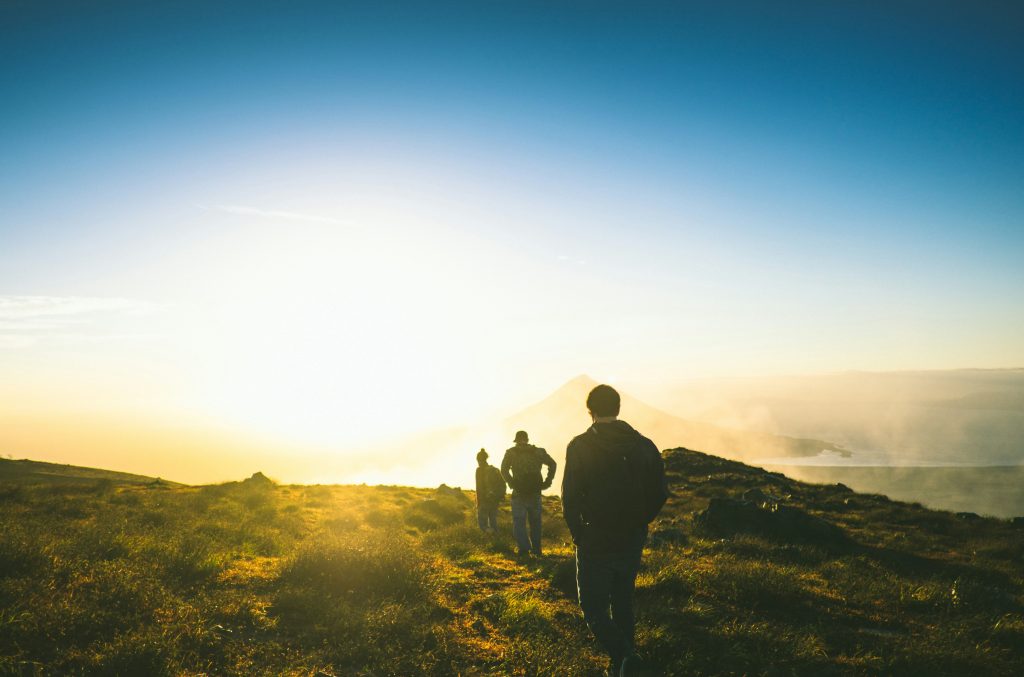
Nadia: Preferably we do group therapy. We group together people with similar issues, like anxiety or depression, and we design a specific programme for them. We take the group for a day or a weekend into nature, doing sessions along with physical exercises such as biking. We talk about their problems, and we focus on sharing experiences. Although ideally we’d take people for longer, realistically people aren’t willing to leave their families and professional lives for 1-2 weeks at a time. But they do tend to come back for recurring sessions. You can compare it to going to the gym, it’s a training programme. One day we go on a bike tour, the next day we do yoga. And in between we have discussions, focus on different topics related to mental health.
Saad: And while Nadia focuses on the therapy, I take care of the sports part. We’d like to have a similar skillset though, because of the logistical challenges of taking a group into nature. I’m currently working on getting adventure therapy certification, while Nadia is also great at mountain biking. She’s too shy to say, but she’s also a yoga therapist and she has experience doing art therapy!
I can really feel the change in society. The new generation, they’re more open to talk about their feelings, about their issues. They’re willing to break with the shame culture.
Are there particular segments of society that are particularly interested in outdoor therapy?
Saad: Young people and the upper classes are generally more interested in alternative therapies, although there’s a large potential target audience, unfortunately. There’s a lot of depressed young people in Morocco, doing desperate things to leave. At the same time, we can’t wait for the government to increase the budget for psychiatric care, because as a country we have many issues to address. The recent earthquake led to trauma for a lot of people. We want to make a difference to them.
Nadia: I can really feel the change in society. The new generation, they’re more open to talk about their feelings, about their issues. They’re willing to break with the shame culture. These days even sexual matters can be addressed! And so far we’ve received very positive feedback. Some people even said they’ve become addicted to the outdoors now, taking their families into nature on the weekends. They’re changing their routines, their mindsets. For example, there was this one lady who went with us into the mountains.. at first she was quite uncomfortable, afraid to go out by herself. And in the course of the retreat, things became less comfortable. More challenging hikes, more challenging descents, discussions. And no hot showers and proper toilets anymore either. The last night we spent at a camping site, no running water, just a tent and an open-air toilet. Her first reaction was to panic, but the next morning when we woke up we found her meditating, admiring the sunrise. She loved it so much she kept asking us when we’d do it again!
Saad: Nadia did the follow-up, and we saw real change in her personal as well as her professional life. She was willing to undertake action, go out alone, talk to people she didn’t know. That’s to show outdoor therapy really can influence lives.
What are your future plans for Terraspace?
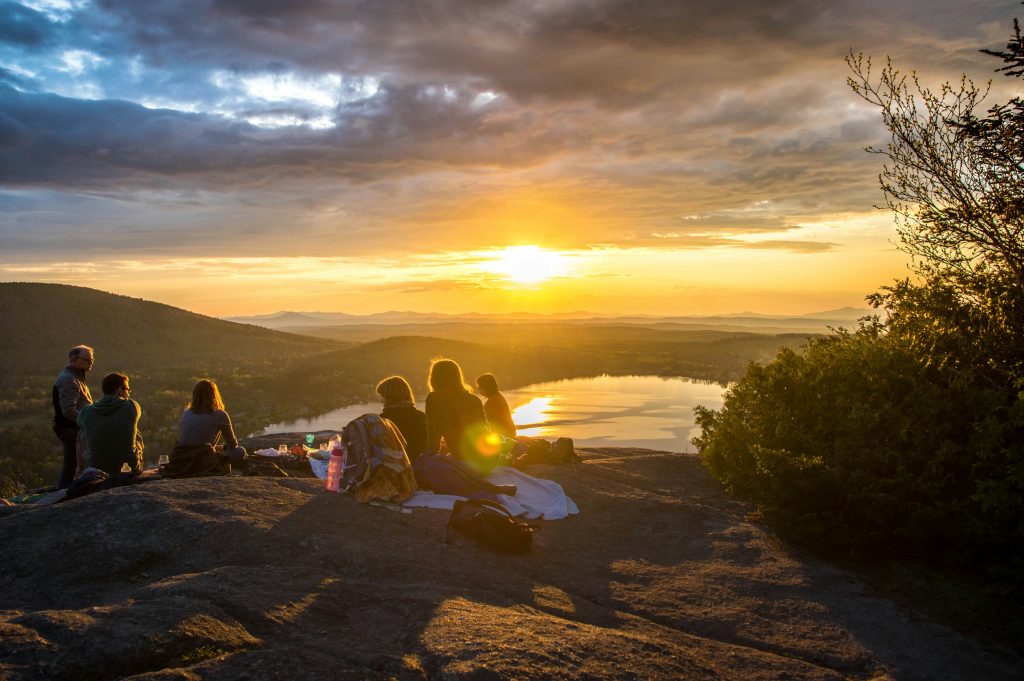
Saad: We’d love to establish Terraspace as a physical centre, close to nature, where people can also stay while they do outdoor therapy. Really going beyond the temporal glow many retreats offer, a positive environment to initiative real change in their lives. Close to the mountains for example, or in a forest or next to a lake. That takes quite a bit of money though. Right now we’re mostly focusing on building our credibility, developing partnerships and expanding our client base. For this we’re also developing dedicated programmes for working professionals, where they can work on their professional skills as well as their mental health. And on the personal level, we want to learn more about global best practices in mental healthcare. We’re in touch with a Dutch family therapist for example, who focuses on systemic approaches.
Nadia: And ideally we’d get to the point where people would come to us based on recommendation, word of mouth.
Saad: Mental illness is very personal, people are literally suffering. So we’re very strong on ethics, we don’t want to take advantage of that for profit. We pray to lose clients, not to have them. And we definitely don’t want to partner with people who don’t share that vision or values. We’ve been approached by quite a few people who say “Oh we have a hotel, just bring your sick people”. We politely decline such offers: we’d rather keep our pockets empty and our heart full.
We pray to lose clients, not to have them!
You already mentioned taking part in Sports Orange Corners was highly beneficial. Could you elaborate on your experience with Orange Corners?
Saad: We graduated two years ago now. Before Orange Corners, there was just chaos. We were motivated, but after we had invested some of our savings in our first gear, we didn’t really know what to do next. That’s where Sports Orange Corners came in. The training was hugely beneficial. We didn’t know anything about entrepreneurship, about business models. We literally kept looking at our gear for at least a year. Only when we got into the programme, the chaos became Terraspace. Ultimately we even won OCIF, which allowed us to invest in even more equipment. It’s like we came here with a big tree trunk. We ourselves saw there was a sculpture inside that trunk, but nobody else saw it yet. At Sports Orange Corners we learnt how to remove everything that wasn’t helping us and keep only what we need.