What does it take to get angel investing truly off the ground in Senegal? With Orange Corners’ support, two business angel networks – one seasoned, one fresh out of the starting blocks – joined forces to find out. NaiBAN, Nairobi’s 5-years old angel network, teamed up with La Tanière, Senegal’s newest network of early-stage investors, to share their hard-won knowledge and experience. We caught up with Nick Villele from NaiBAN and Abdoul Aziz Sy, the founder of La Tanière and Impact Hub Dakar, to talk about building angel networks from scratch, spotting great founders, and why the future of African entrepreneurship gets a little brighter every time a new business angel network joins the ecosystem.
Nick & Aziz, thanks for making the time to speak to us! Could you quickly introduce yourself?
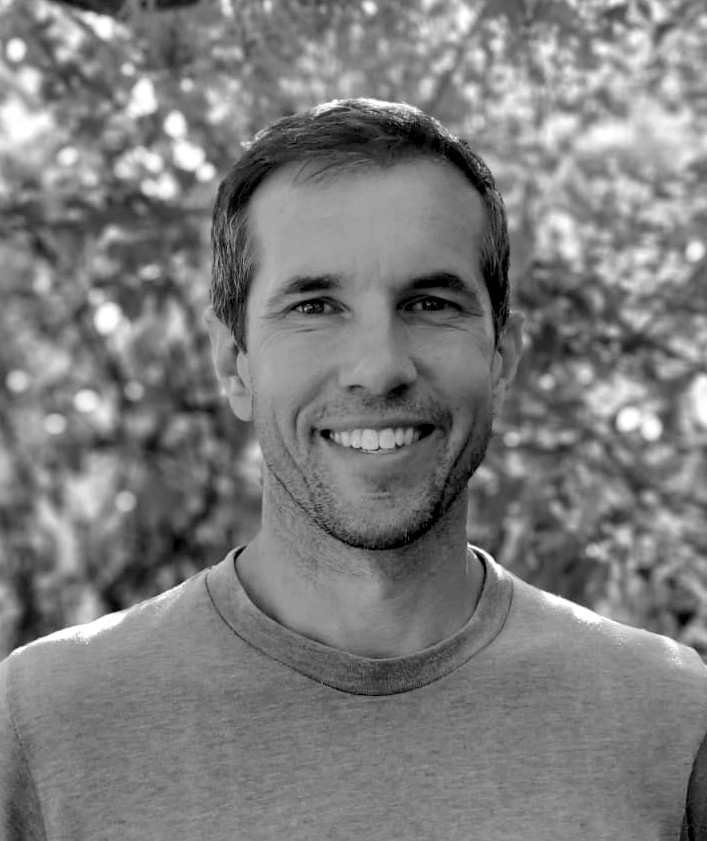
Nick: My name is Nick and I’m one of the founding members of NaiBAN or the Nairobi Business Angel Network. We’ve been active in angel investing for about 5 years, with a focus on East African tech startups.
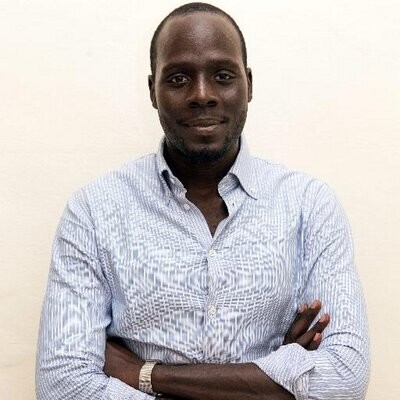
Aziz: I’m Aziz and I work in entrepreneurship support. I’m the founder of an incubator, Impact Hub Dakar, and also one of the founding members of La Tanière Business Angel Network (TBAN), which is a very young network of business angels focused on Senegal, which started in late 2024.
Is La Tanière the first Business Angel Network in Senegal?
Aziz: Angel investing isn’t very common in Senegal. There’s the Dakar Angel Network (DNA), but other than that other networks have mostly been informal. Compared to DNA, our ticket sizes are a bit smaller, which also allows us to target younger companies. DNA made larger deals across Africa, in companies that were a bit more mature. Our network targets a need lower in the pyramid, for local entrepreneurs who need smaller sums. There’s a bit more risk involved, but the money is more foundational. La Tanière doesn’t focus on a specific sector, we invest in both startups and SMEs. In Senegal that’s often agribusinesses, but we support companies all across.
What motivates you to be an angel investor?
Nick: Each ecosystem, at whatever level and shape, needs local capital and local support for early-stage founders. Aziz and I have been founders ourselves. We know it’s a pretty long and lonely journey, but we also know how valuable it is to have people who can guide you on that way and provide you with some resources. Sub Sarahan Africa has a lot of people with great ideas, but often they’re defeated by the system or lack of capital. Having people people walk alongside you makes your growth path a little bit more manageable. A founder myself, I find it really fun to join other founders on their journey, and hopefully be useful in that way. That goes beyond funding. Investing in early-stage businesses, the chances of your capital getting returned increases if you can help founders avoid some of the mistakes you made yourself, open some doors for them, or help them get around regulations they might struggle with because they lack the right connections or experience.
Founders ourselves, Aziz and I know it’s a long and lonely journey.. but we also know how valuable it is to have people who can guide you on that way and provide you with some resources
What are the benefits of investing via an angel network?
Nick: The power of angel networks is that 20 or 30 people are investing in a business, and they all have different networks, skills and knowledge to help that business move forward. That also makes it a lighter lift for the individual angels, compared to being the only investor and having to help a company solve all problems. And together you’ll have significant amounts of money you’re able to invest. I myself, and most members of our group, we’re not high-net-worth individuals who can write 10 $25,000 checks, but we might be able to write 10 $2,000 checks. If put together with 20 other people, that’s a significant sum. And for the businesses, it’s easier to deal with a business angel network than 20 different small shareholders who invest $2,000 each. Being part of an angel network gives you access to businesses that otherwise wouldn’t take your $2,000 – it helps you create a portfolio. And of course, we all know the game.. it’s a high-risk investment. We know that some of these businesses won’t return the capital, but you hope that those who do, help pay for those that aren’t succesfull.
Angel networks means 20 or 30 people investing in a business, and they all have different networks, skills and knowledge to help that business move forward
Nick, this past year NaiBAN has provided support to set up and professionalise La Tanière. What did your work together entail?
Nick: Orange Corners approached us, because they saw our success building a community and reaching operational sustainability. This is important, as many angel networks run on a volunteer or two. That labour of love is difficult to make sustainable. At NaiBAN we didn’t have a playbook on how to do this when we started, but in the past 5 years we built systems that make it easier to run an angel network. For example, we were very intentional about creating revenue streams for the group, so that the network won’t shut down when the leaders temporarily get busy with other things in life. We were very keen to share some of these lessons with other angel networks, ease their learning curve. After all, they’re not competitors. We all play our part in the ecosystem, and the more active networks there are, the more they ae collaborating, the stronger the overall ecosystem gets. That’s good for the ecosystem itself, but also for our potential returns. The information exchange wasn’t one-way. We’re only 5 years old ourselves, so we were able to learn from TBAN as well. For example, we’re looking at some debt-related deals right now, which is more their focus. Made us think “Hey, should we be doing that as well?” And I’d love to see more collaboration between our networks in the future. Maybe at some point we could do deals together.
Aziz: We really benefitted from Nick’s experience. In our weekly conversations, he shared things with us that he had done in Nairobi, but at the same time making these things very translatable and transferable to any type of geography. We didn’t start from scratch with TBAN, but we had been running the network pretty informally before we met Nick. The most important thing we learnt from him? How to manage our members, which is probably 90% of running a business angel network. Practical tips such as technology to register members and their information, financial tools to make transactions happen, where to get revenue from. Vital when running a network, but things we hadn’t addressed as clearly before.
La Tanière has done 2 recently, but our aim is to have 7-10 each year. To increase our ticket size, and make sure we’re able finance as many companies as possible!
Aziz, do you feel that you’ve laid the groundwork now to become as successful as NaiBAN?
Aziz: We’re so much more solid now. If I compare our situation to before, we have formalised our activities, organised a launch event, recruited many more new members. I’d love to build a network as successful as NaiBAN. It’s difficult to build an efficiently running Business Angel Network, but we laid a strong basis. Now it’s key for us to stay consistent in organising investment events, get our members used to making deals. We’ve done 2 recently, but my aim is to have 7-10 each year. To increase our ticket size, and make sure we’re able finance as many companies as possible. And to grow our membership of course. There’s 13 founding members, and we’d like to take it to 50 as a first step. So there’s quite a bit of work to do still, but the future is bright!
You mentioned 2 investments. What do you look for in a business?
Aziz: We meet many founders through the entrepreneurial support network. I’m the founder of an incubator, another TBAN co-founder also is a former entrepreneur running an incubator. We work with entrepreneurs all year, which helps us really understand their trajectory.. see what they’re good at. By the time we recommend a business for investment, it’s a business we’ve had a chance to spend considerable time with analysing. But in general: for any type of investment, but particularly for angel investing, trust is key. The founder needs to be convincing, be someone you feel you can trust. That’s how we picked our first 2 investments. We felt that these were businesses with growth potential in interesting sectors, with enough traction and a founder who’s able to grow the business. We do our due diligence of course: we look at their plans, their pitch decks, their financial modelling.. but when they pitch, entrepreneurs don’t sell the present. They pitch a vision of the future, that’s what you’re really investing in.
For any type of investment, but particularly for angel investing… trust is key!
What about red flags? Any kind of things that make you say “thanks, but no thanks”?
Aziz: Anything related to the regulatory environment, anything at-risk of breaking the law. Apart from that, each company has their own potential red flags that are very hard to arbitrate properly.. what’s a red flag to me, maybe is an orange or yellow flag to others. But usually red flags would appear during due diligence. Within TBAN, we discuss our findings with each other, red and green flags. Personally, most of the red flags I’ve seen in my career have to do with the team. So I’m looking at things like “Are the founders getting along?”, “Is there enough variety within the team?” and “Is the main founder maybe doing too much alone?”. And again, anything that’s affecting trust is going to be flagged quickly and very severely.
Nick: Trust is a big factor for me as well. My worse case scenario is investing my own hard-earned money, and someone breaking the trust between us. I want to know the people, know their level of integrity.. but also how obsessed they are with the problem they’re solving. Founders need to be the expert in the room. You don’t need to have all the answers, but you should know your ecosystem, your industry. And be truly obsessed with the problem you’re trying to solve. I usually sniff it out quite quickly when founders are just using buzzwords, but haven’t really studied a problem deeply. With AI and other new technologies, some founders are like “Oh, this is a hot area, let me try to do something here”. But those are the founders that are going to give up before they ever get to the prized land of success. For me, it’s far more appealing to support founders that are truly, maniacally obsessed with solving that problem they set out to solve.
Entrepreneurs don’t sell the present. They pitch a vision of the future, that’s what you’re really investing in.
To round off.. any words of advice for others involved in establishing angel networks?
Nick: You’re building a network, so it’s important to have a few core people to share responsibilities with. Doing this labour of love as a single person is pretty difficult. So spread the word, bring in others. It increases your chance of long-term success. If I had tried starting NaiBAN on my own, it probably wouldn’t have gone anywhere. But also: understand that it’s not going to happen in a day, it might even take a few years. And our members really appreciate our regularity. Our members know that every month, every few months, our community comes together for events, listen to new startups, learn something new. That regularity really goes a long way to building something that can last.
Aziz: What Nick says! And to add to that first point.. get as much help as possible, including outside help. Nick’s support was absolutely crucial for TBAN. Of course, you have to take the initiative yourself, be as present as you can.. but also make sure you get as much support as you can!