Meet Michael Akinsete. This Orange Corners Nigeria alum is the co-founder and CMO of Ecotutu, a cleantech company addressing one of the country’s most urgent challenges: post-harvest loss. Through affordable, solar-powered cooling solutions Ecotutu helps Nigeria’s smallholder farmers protect their produce, increase their income and strengthen food security across their communities. Their goal? To ensure that the people at the heart of Nigeria’s food system can truly benefit from their labour. We met Michael during the One Young World Summit, where he attended as part of the Enterprising Futures delegation sponsored by the NL Ministry of Foreign Affairs and Orange Corners. There, he shared Ecotutu’s journey, their growing footprint across Nigeria and the ambitious path ahead.
Hi Michael! Could you introduce yourself and Ecotutu?
My name is Michael Akinsete and I’m the co-founder and CMO of Ecotutu. Ecotutu is a Nigerian cleantech company providing access to off-grid, solar-powered cooling solutions. Our aim is to tackle post-harvest loss for smallholder farmers. Because despite being the primary producers in the food value chain, they’re often not able to maximise the return on their harvest. This keeps them impoverished. Post-harvest loss also affects other players in the food production chain though: the off-takers, the aggregators, the processors, the food sellers and even the consumers.. because when half of what’s produced is lost, prices for what reaches the market are inflated to make up for that loss. And beyond the social-economic impact, food waste also impacts the environment. It’s even the third-largest contributor to greenhouse gas emissions globally. That’s why we started Ecotutu.
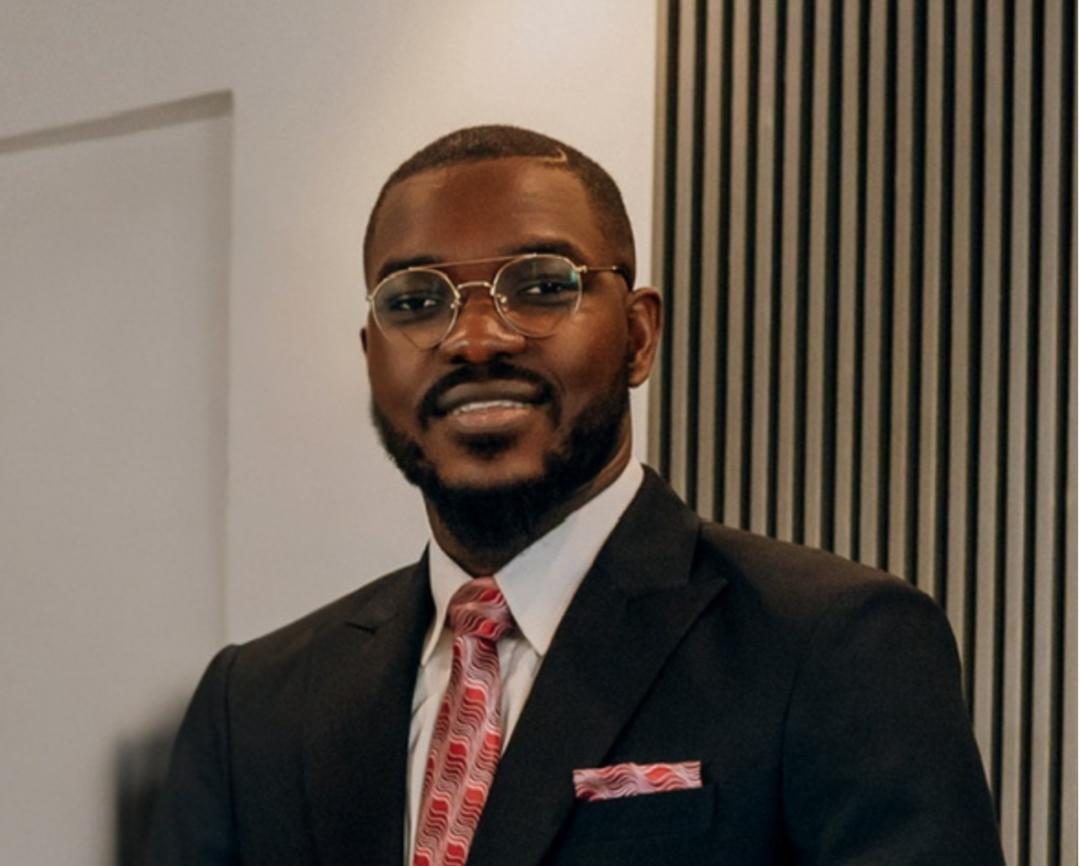
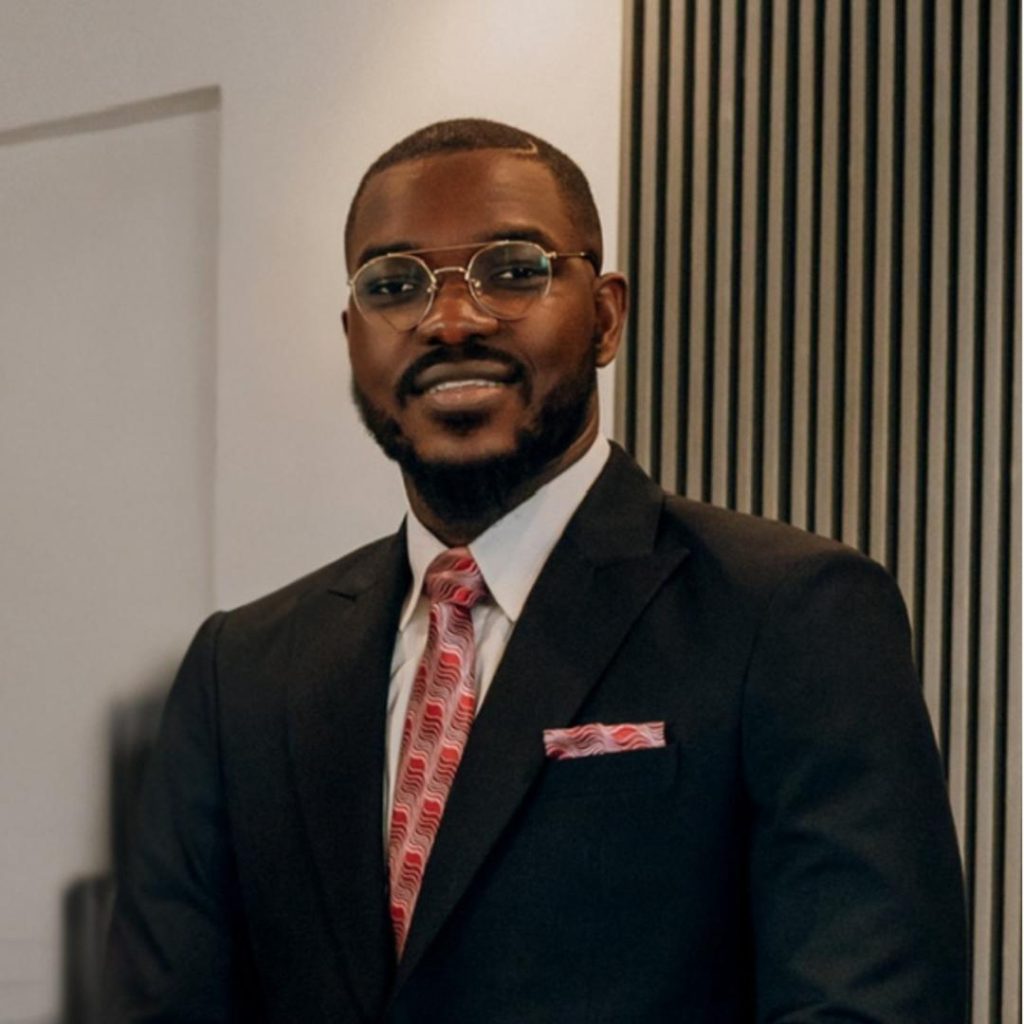
Michael Akinsete, co-founder and CMO of Ecotutu
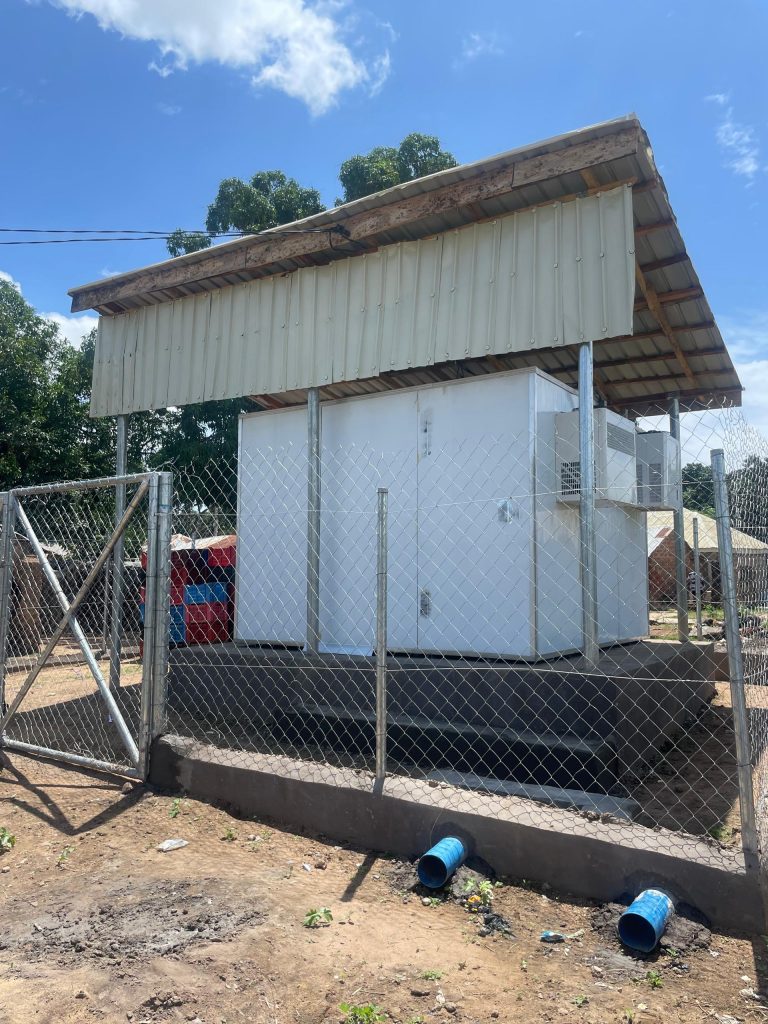
Our main activity is deploying our cold rooms at farm gates and open market areas and offer our clients access to cooling on a pay-as-you-store basis. That can cost as little as 250 Naira or 35 cents per crate per day. In addition to that, we also offer a logistics service, helping farmers and off-takers move produce from the farm gate to the market or to another place of their choice. A fleet of cool truck drivers and truck owners support us in that. And finally, we also have smaller on-the-go cooling solutions, like cooler bags for temperature-sensitive food products. These are used for example by SMEs active in the food value chain, for instance to store salads or yoghurt. But these bags are also used by healthcare businesses, for example to transport vaccines. Our cooler bags keep products cool for up to 48 hours, so it gives them enough time to ensure vaccines arrive at their destination in good condition.
Cool room installed
What’s your impact been so far with Ecotutu?
Ecotutu has been operational for 5 years now, and so far we’ve installed 25 solar-powered cold rooms and we’ve saved over 40,000 tonnes of food from going to waste. We’ve grown to a team of 26 people and are currently present in 6 states in Nigeria: Lagos, Ogun, Oyo, Edo, Nasarawa and Plateau. Our goal for the next 30-36 months? To increase the number of cold rooms to around 100 across the 12 most important food producing states in Nigeria. This would not just ensure increased food security with better quality food reaching the table for lower prices, it’d also give more farmers the incentive to continue to farm.
We want to show young people in Nigeria that farming is more than just a way of life.. it’s both an interesting career path and a profitable business. Not treating it as such can hold farmers back. We’ve had farmers report an increase in their income by an average of 30%. This 30% can make a significant difference in their lives. They can feed their families, educate their kids – in short, take care of their families and still invest back into their into their business.
Educating people on what they’re missing out on is an important part of our work. We also train farmers and small businesses on post-harvest management. Our online manual explains step-by-step what steps to take during harvest, after harvest, pre-cooling, how to store different produce.. giving farmers the knowledge to help them make the most of their produce.
Beyond the next 30-36 months, do you have international ambitions?
Our primary focus for now is Nigeria. Nigeria is a huge country, 230 million people. Imagine the impact we can make if we’re able to cut down waste significantly within the food value chain in Nigeria alone. But to scale and become the one-stop-shop for sustainable cooling solutions in Sub-Sahara Africa is definitely the plan. We already have inroads to countries like Ghana and Kenya, but to set up cold rooms you also need boots on the ground to build an entire infrastructure around it. We’re not quite there yet, but very open to it.
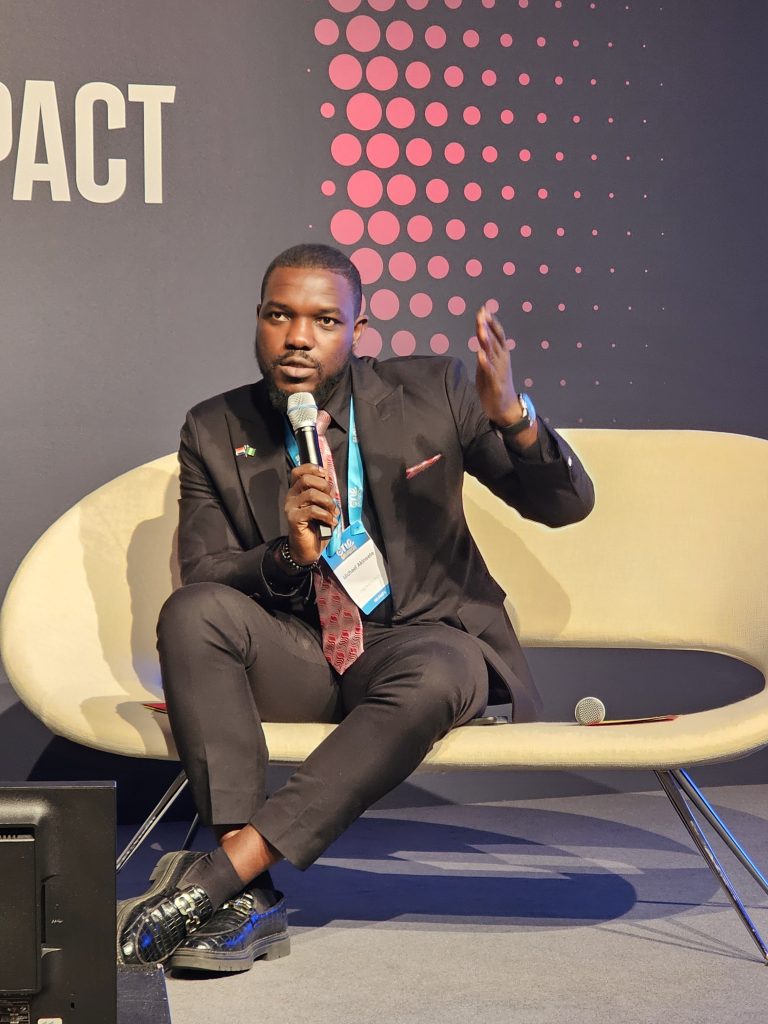
Michael on the Entrepreneurship & Peace panel during One Young World
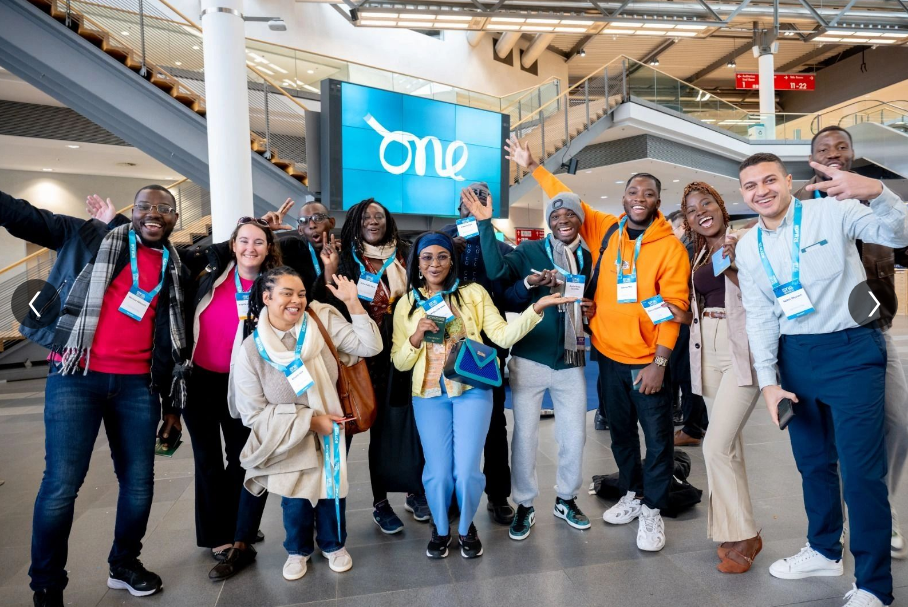
Michael (left) and other Enterprising Futures scholars during One Young World
How’s your experience with Orange Corners been?
We joined Orange Corners in 2021, early into our existence. At that early stage, Orange Corners was a great launchpad. Thanks to Orange Corners we were able to expand our network, get support on so many levels: technical assistance to structure and run the business, marketing, become investment-ready. Winning the Orange Corners Innovation Fund grant and loan really helped us expand our capacity as a team.
And it didn’t end there, we’ve been working very closely with the Netherlands Consulate in Nigeria ever since. Ecotutu is one of the business champions in their HortiNigeria programme, which means that if there’s any project with a cooling component, they come to us first. By covering part of the finances, they enable us to deploy our solutions much faster. This is very helpful, because it de-risks the investments for businesses or cooperatives to install our cooling installations.
And then earlier this year the consulate named me the 2025 Agripreneur of the Year, which also opened many doors. It probably also played a part in getting selected for the Enterprising Futures Scholarship. There were about 8500 applications from Nigeria, so to be chosen among the 40 that got to attend the summit is a phenomenal experience that I don’t take for granted.
We’re currently exploring further collaboration with Dutch companies, as the Netherlands is a world-leader in agricultural production and management. We’re very interested in knowledge exchange, especially when it comes to new technology we might adopt!
To become the one-stop-shop for sustainable cooling solutions in Sub-Sahara Africa is definitely the plan!
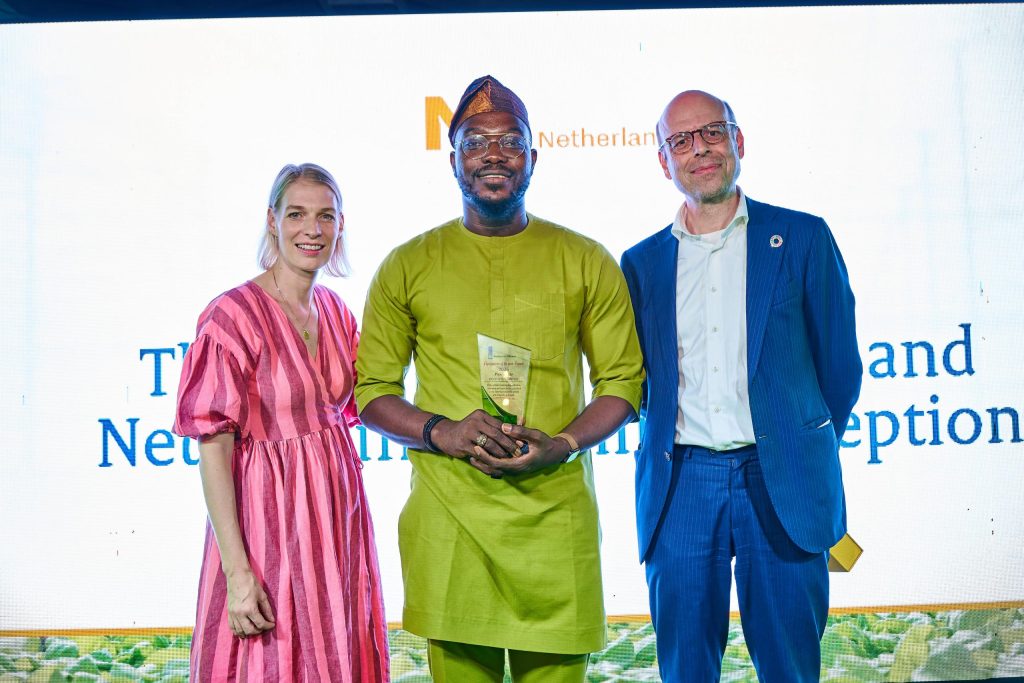
Winner of the Agripreneur of the Year Award, 2025
Did you receive any follow-up funding after OCIF?
So far we’ve been riding on revenue from the business as well as grants, but our goals require considerable resources, so to scale we’re currently looking to raise 1 million U.S. dollars. Part of the money would go into warehousing and inventory. We’re also looking at investing in R&D, and capacity building for the team, expanding our capacity in different departments. That’d allow us to add more structure to the business. And finally, we’re also looking to add a few more trucks to our fleet – to facilitate easy transportation of food from the farmers to the market, to also expand our market share in that vertical.
To round it off, how do you back at One Young World?
The One Young World summit has been a great experience. I’ve met young leaders from across the world doing great things, who share my values and my vision. To be able to connect with them and learn about what drives them, what impact they have, where we can find possible points of collaboration was really exciting. Entrepreneurs like Sokayna, who’s introducing hydroponics technology in Morocco. It also really helped me validate my own vision of trying to do good for the world, tackle certain issues, create real value for real people. And I was also really inspired by Terry Crews, who spoke about toxic masculinity and mental health. As men obviously we feel a lot of emotions, but we’ve learnt to express them in the form of anger. Terry spoke about feeling our emotions, and not flash anger instead
I also had the privilege of sitting on a panel with Jurriaan Middelhoff, the Dutch Ambassador for Youth, Education and Work. He moderated a panel about entrepreneurship and the impact it has on peacekeeping. It was a good interactive session, where the crowd also participated and shared their thoughts. Personally, I believe entrepreneurship is a critical vehicle to drive peace in conflict-affected or conflict-prone areas. Through jobs, economic empowerment and economic inclusivity, people are much less likely to get into the kind of conflict that disrupts the peace of entire societies!